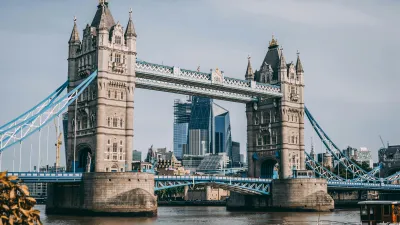
London
London is the second largest metropolis in Europe, home to around 8 million people and stretching some 44 kilometers along the River Thames. The climate is moderate, with summers that are not too hot and winters that are not too cold. The city has long drawn people of many cultures and faiths, including Christians, Muslims, Hindus, Jews, Sikhs and Buddhists. Early 20th-century arrivals were mainly Irish, Poles, Italians and Eastern European Jews, while from about 1950 most newcomers came from former British colonies such as India, Pakistan and Sri Lanka. As a result, London's population is among the most diverse in the world. It also has a thriving art, theater and music scene, from the musicals of the West End to world-famous London bands and artists such as the Rolling Stones, Queen, David Bowie, the Pet Shop Boys and the Spice Girls, and even whole genres like punk. That vitality is mirrored in London's gay scene, which is huge, diverse and constantly changing. The classic gay village sits in Soho in Central London, with its cafes, bars and shops concentrated around Old Compton Street. Clubbers head for the enormous party venues in the railway arches of Vauxhall, or to the alternative clubs of the trendy East End, a former working-class area that has become popular with students and artists. Traditional gay pubs and neighborhood bars are scattered all over the city, so whatever your taste, however fancy, there is a place to match it. The queer calendar includes the BFI London Lesbian & Gay Film Festival in March and Pride in London in early July. The bank holiday weekends in spring, at the end of August and around New Year's Eve are also highlights for going out.